Installation of seismic bracing for electrical cable trays
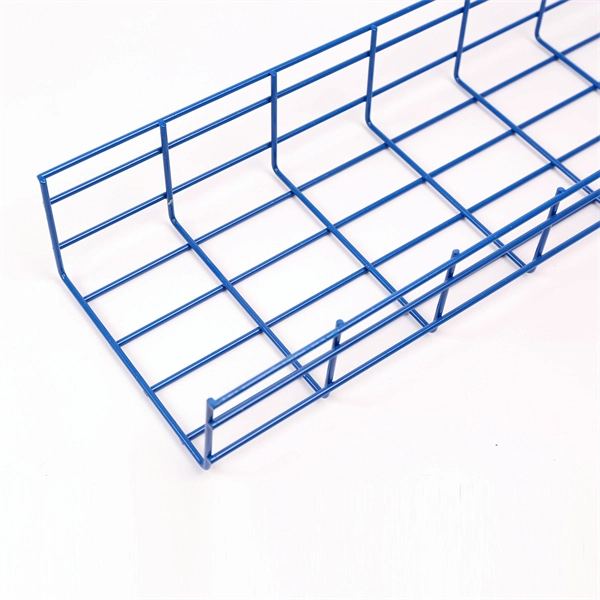
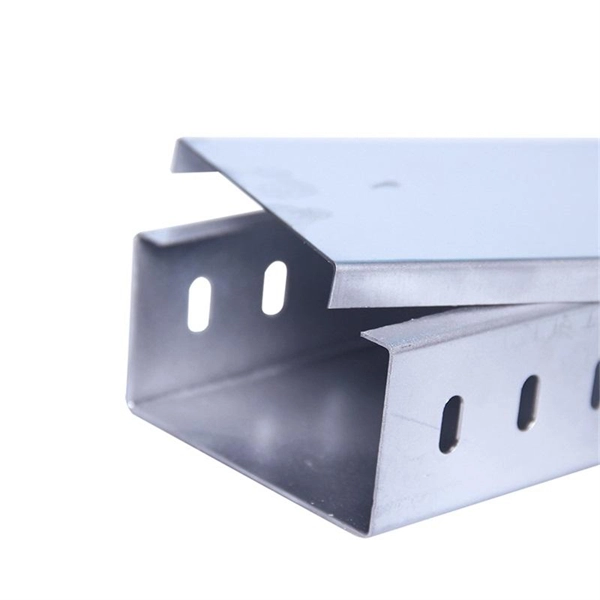
Seismic-resistant cable trays require proper tray selection, bracing, anchoring, and compliance with local seismic codes to ensure electrical system integrity during earthquakes.Key Considerations for Seismic-Resistant Cable Tray Installation1. Confirm Seismic Design Basis Before installation, determine the project-specific seismic criteria, including expected lateral and vertical accelerations, building drift, and vibration levels. This ensures that tray type, support spacing, and bracing methods are appropriate for the seismic risk of the location . 2. Select Appropriate Tray TypeLadder trays are preferred for primary distribution due to their structural strength and efficient weight-to-strength ratio.Perforated or trough trays may be used but require careful evaluation of mass, support spacing, and cable retention.Wire mesh or basket trays are suitable for lighter loads but need reinforced splice and support details in high-seismic areas . 3. Implement Seismic Bracing Seismic bracing is essential to prevent tray collapse or cable displacement during earthquakes. Bracing types include:Lateral (transverse) braces installed perpendicular to the tray.Longitudinal braces installed parallel to the tray.Rod stiffeners to maintain system rigidity. Braces can be cable bracing (tension-based, requiring opposing assemblies) or rigid bracing (tension and compression, typically one assembly per location) depending on drop length and load requirements . 4. Support and AnchorageUse base-mounted supports or suspended rod hangers depending on tray configuration.Avoid non-ductile or customized rigid connections that may fail under seismic loads.Ensure anchors and attachments comply with local building codes and industry standards, such as IBC, ASCE 7, and NFPA 13 . 5. Splice Reinforcement and Cable RetentionReinforce tray splices to prevent separation during seismic events.Use cable retention devices to secure cables and prevent displacement, which could interrupt critical power, control, or life-safety systems . 6. Cost and Criticality Assessment While seismic braces add to installation costs, they are essential for critical systems such as hospitals, data centers, and emergency facilities. The long-term benefits of system reliability and safety outweigh initial expenses . 7. Testing and VerificationConduct walkdowns and limited analytical reviews to identify potential weak points.Verify that tray supports, braces, and splices meet seismic performance requirements and can accommodate expected building movement .SummaryProper installation of seismic-resistant cable trays involves selecting the right tray type, implementing lateral and longitudinal bracing, reinforcing splices, securing cables, and adhering to seismic codes. These measures ensure that electrical systems remain operational and safe during earthquakes, minimizing downtime and protecting critical infrastructure .