Detailed Explanation of Distribution Box Configuration Layout and Pricing
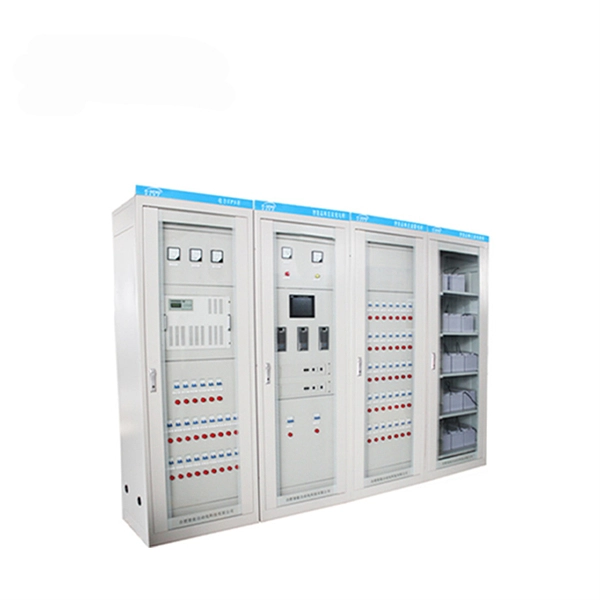
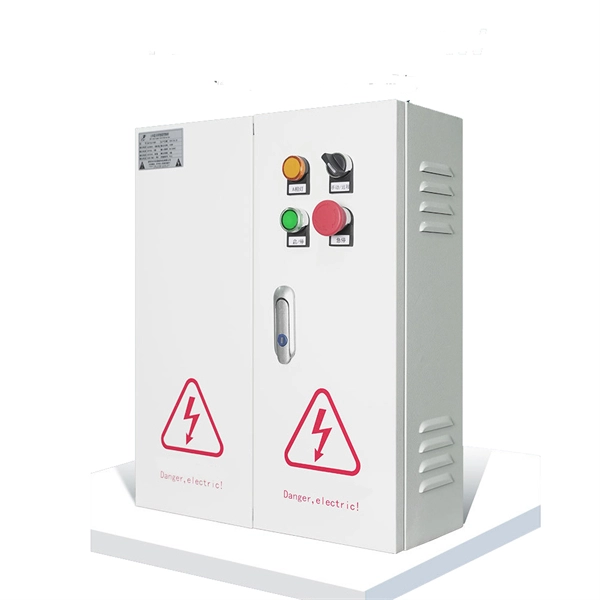
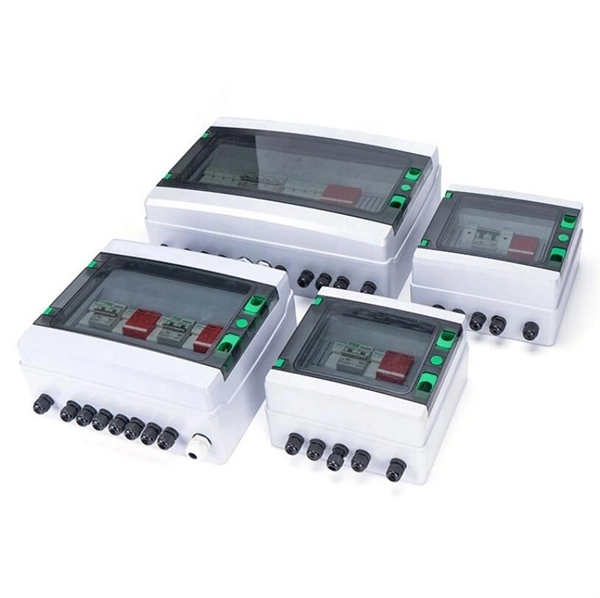
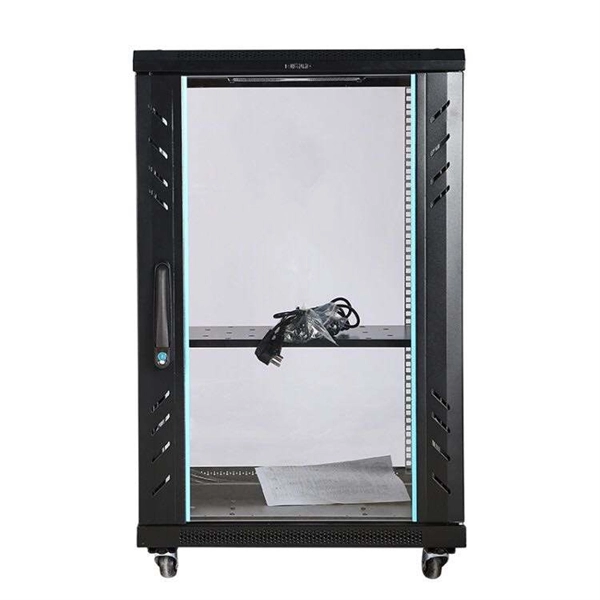
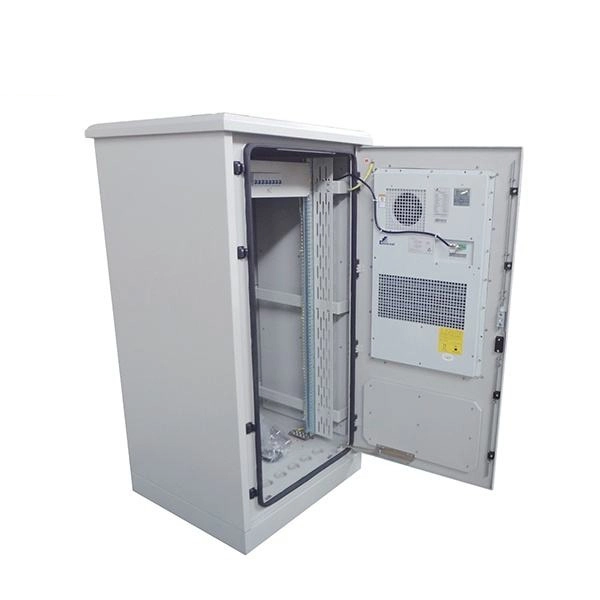
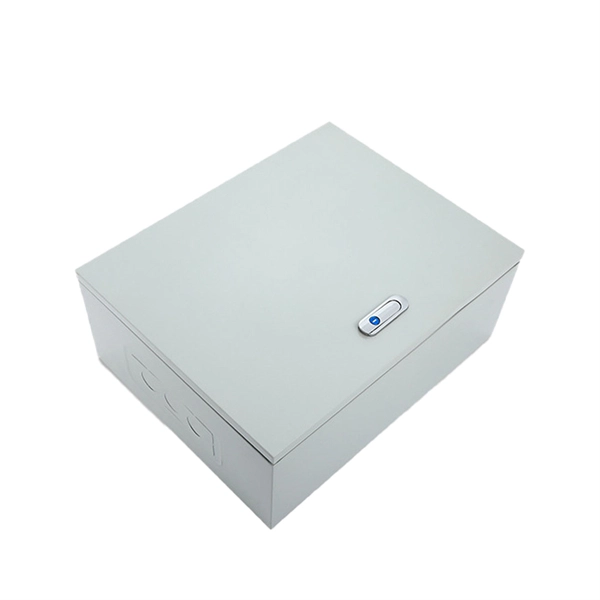
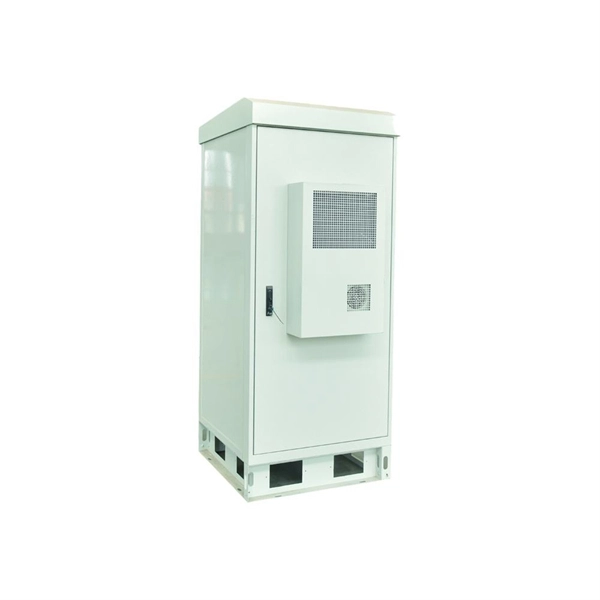
A distribution box (DB box) safely distributes electrical power from a main supply to multiple circuits, with configurations and pricing varying by type, material, and application.Overview of Distribution BoxesA distribution box is a central hub in an electrical system that channels electricity from a main supply to various circuits within a building or facility, ensuring safety and organized power management . It protects circuits from overloads, short circuits, and ground faults using circuit breakers or fuses . DB boxes are essential in residential, commercial, and industrial settings, and modern versions may include smart features like energy monitoring and remote control .Components and LayoutA typical distribution box includes the following components:Enclosure: Made of plastic (PVC, polycarbonate) for lightweight, corrosion-resistant applications, or metal (steel, aluminum) for industrial durability and fire resistance .Busbars: Copper or aluminum bars that distribute electricity from the main input to individual circuits .Circuit Breakers/Fuses: Protect each circuit by interrupting power during overloads or faults .Indication Lights: Show the status of mains power supply .Optional Smart Modules: Energy monitoring units and communication modules for real-time data and integration with home automation . The layout depends on the type and application:Surface-Mounted DB Boxes: Installed on walls, suitable for retrofits and industrial environments .Flush-Mounted DB Boxes: Embedded into walls for a clean appearance, common in residential and commercial buildings .Pole-Mounted DB Boxes: Outdoor use for street lighting or utility applications .Single-Phase vs. Three-Phase: Single-phase for homes and small commercial loads; three-phase for industrial or large commercial facilities .Specialized Boxes: Lighting distribution, power distribution for heavy machinery, or control boxes with relays and timers .Types and MaterialsDistribution boxes are classified by installation environment, material, and mounting method:Indoor vs. Outdoor: Indoor boxes are for protected environments; outdoor boxes require higher IP ratings and weather-resistant enclosures .Plastic vs. Metal: Plastic is lightweight and corrosion-resistant; metal offers higher mechanical strength and durability .Wall-Mounted vs. Floor-Standing: Wall-mounted for limited space; floor-standing for larger systems with higher load capacity .Pricing ConsiderationsThe cost of a distribution box depends on several factors:Material: Plastic boxes are generally cheaper than metal boxes.Size and Number of Circuits: Larger boxes with more circuit breakers cost more.Phase Type: Three-phase boxes are more expensive than single-phase.Smart Features: Energy monitoring, communication modules, and automation integration increase the price.Brand and Certification: Certified, high-quality DB boxes from reputable manufacturers may have higher upfront costs but offer better durability and safety . Typical pricing ranges (approximate):Small residential plastic DB box (6–12 circuits): $30–$100Medium commercial metal DB box (12–24 circuits): $150–$400Large industrial three-phase DB box with smart features: $500–$1500 or more, depending on customization and load capacitySummaryA distribution box is a critical component for safe and efficient power distribution. Its configuration and layout are determined by the number of circuits, mounting type, material, and application environment. Pricing varies based on size, material, phase type, and additional smart features. Proper selection ensures safety, reliability, and long-term energy management in residential, commercial, or industrial electrical systems .