Distribution box manufacturer requirements
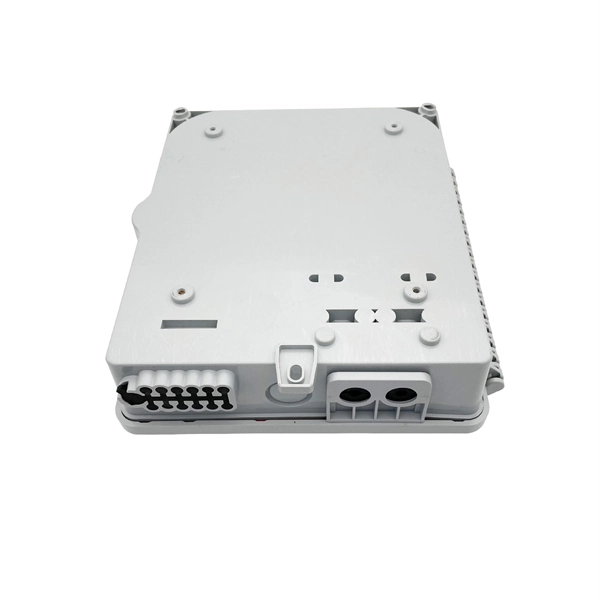
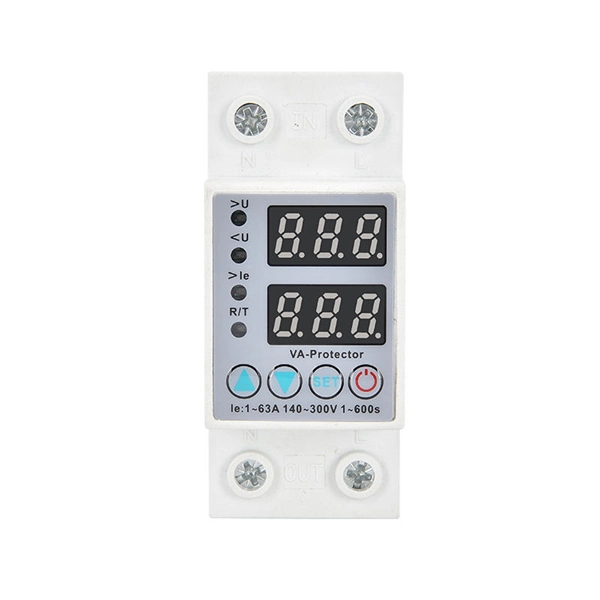
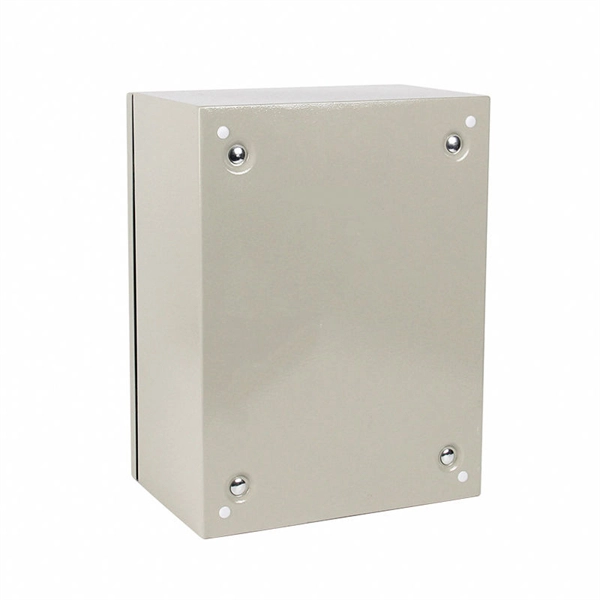
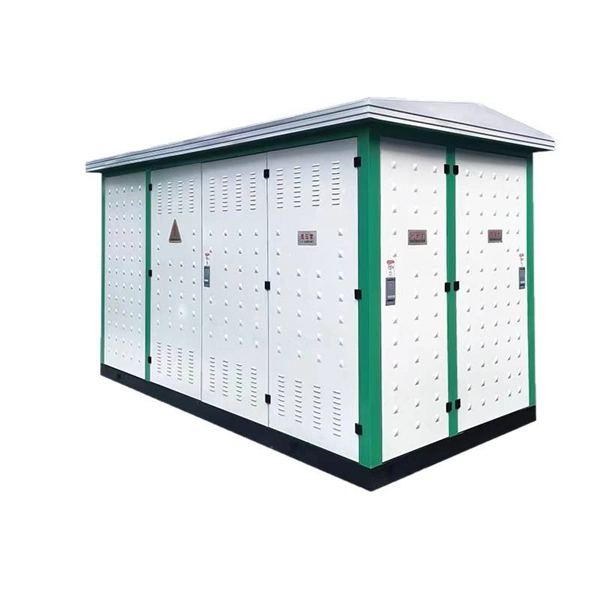
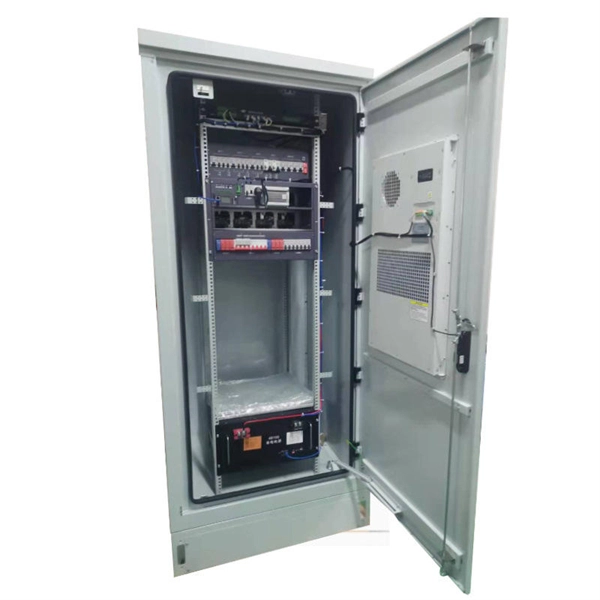
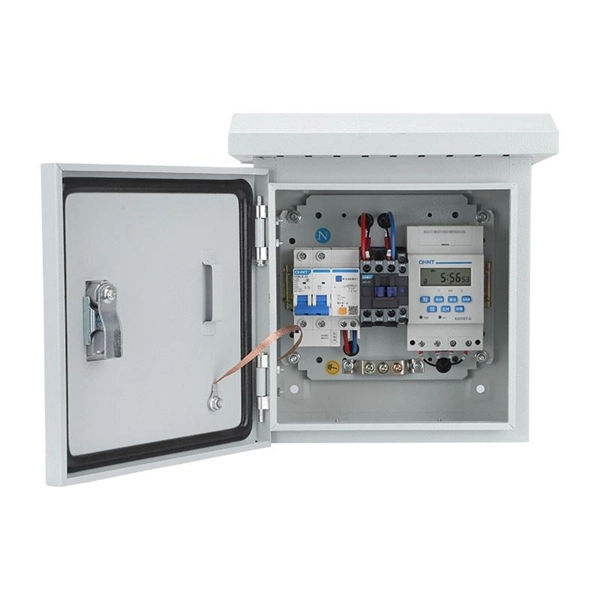
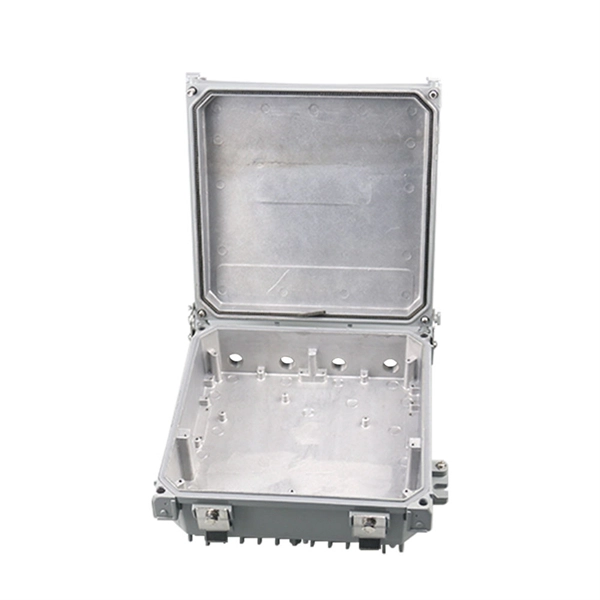
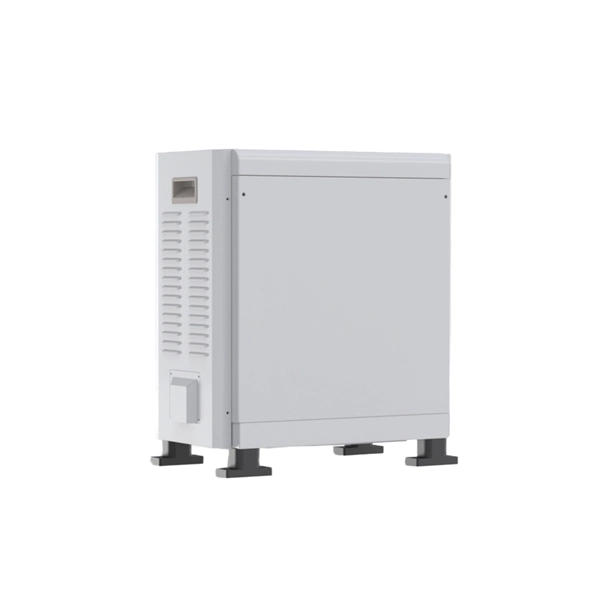
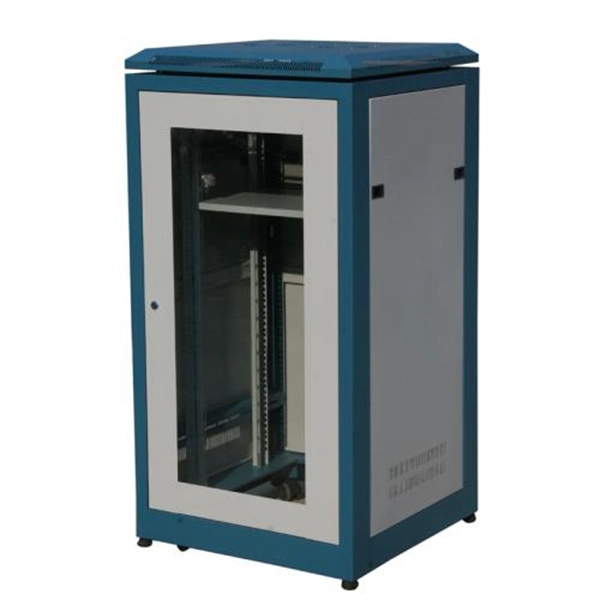
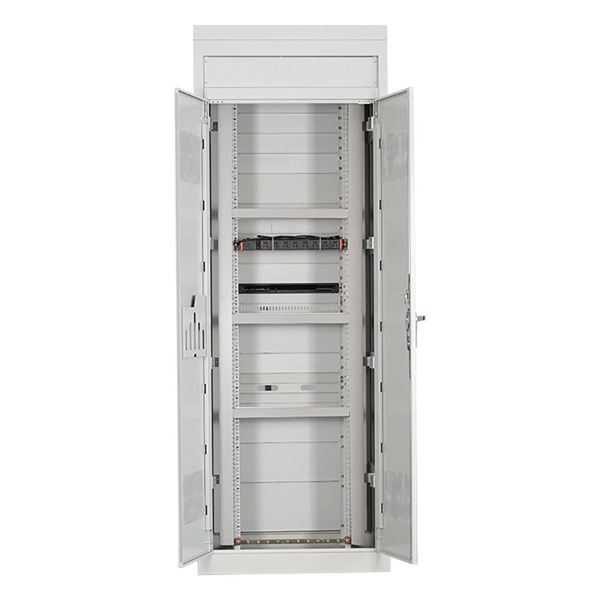
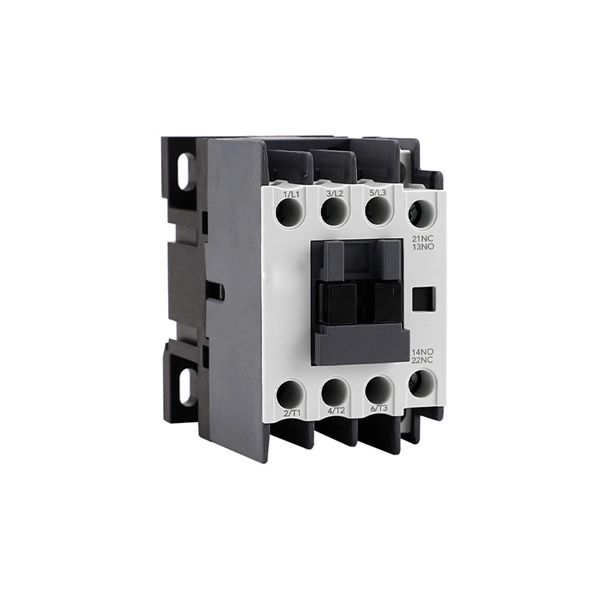
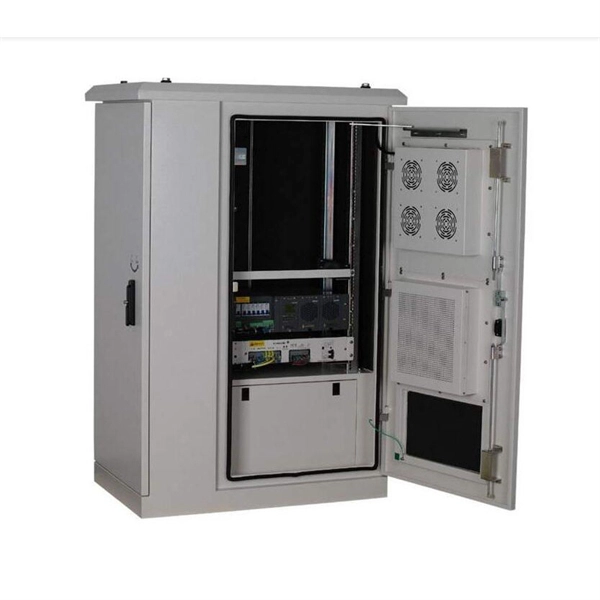
Distribution box manufacturers must meet strict mechanical, electrical, material, and certification standards to ensure safety, reliability, and compliance with international regulations.Mechanical and Appearance RequirementsManufacturers must ensure that distribution boxes have a high-quality exterior finish. The coating should be electrostatically sprayed, uniform in color, free of peeling, spots, rust, or scratches, and the surface must be flat and clean. All internal and external parts should be free of debris, dust, or damage, and the overall appearance should meet the specified standards for both high- and low-voltage cabinets .Electrical Performance RequirementsThe main switch and sub-switch connections must use copper bars rather than bare wires, with outgoing wire cross-sections equal to or larger than incoming wires. Loop markings should be clearly labeled and securely fixed. Electrical components must comply with short-circuit withstand, temperature rise, and insulation standards to ensure safe operation under load .Material and Component StandardsDistribution boxes are typically made from galvanized steel or stainless steel, depending on indoor or outdoor use. Materials must undergo thickness, hardness, and corrosion resistance tests. Internal components, such as breakers, relays, and terminal blocks, should be mounted on DIN rails for modularity and ease of maintenance. Modular designs allow for scalable installations and hot-swappable modules, reducing downtime and installation labor .Certification and ComplianceManufacturers must comply with regional and international standards, including IEC 61439 for low-voltage assemblies, UL 50/508A in North America, EN 61439 in Europe, and GB 7251 in China. Certification involves temperature rise tests, IP rating verification, short-circuit testing, and detailed technical documentation. Compliance ensures electrical safety, thermal endurance, and protection against environmental factors .Installation ConsiderationsDistribution boxes must be installed according to manufacturer guidelines. Open-type and concealed boxes require proper site selection, secure mounting, and careful wiring. The installation process includes assembling the box body, disk core, and cover, cleaning debris, organizing wires, marking phases, and performing final testing to verify correct operation .SummaryTo meet industry and regulatory expectations, distribution box manufacturers must focus on mechanical integrity, electrical safety, high-quality materials, modular internal components, and compliance with international standards. Proper design, production, and installation practices ensure reliability, safety, and ease of maintenance for end-users .