Summary of Fiber Optic Cable Engineering Construction
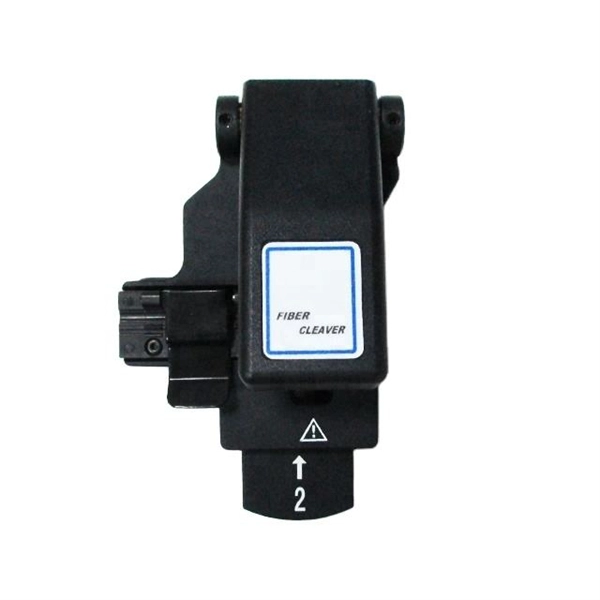
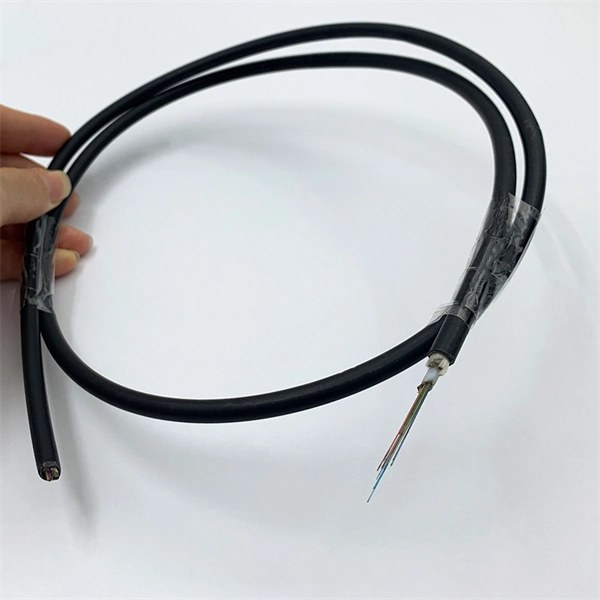
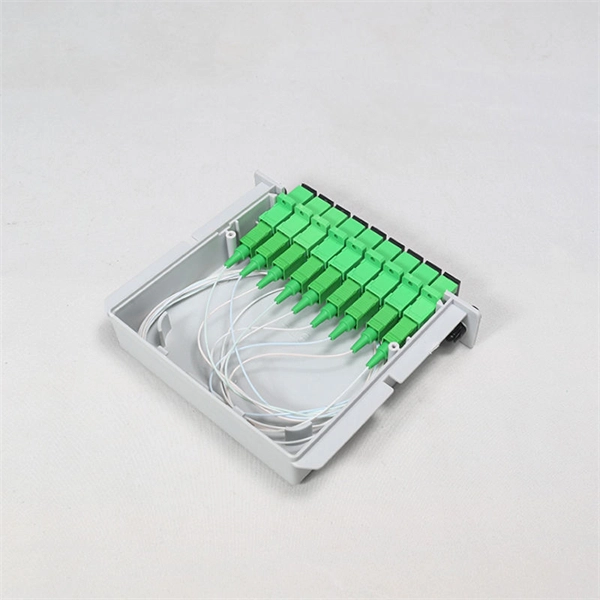
Fiber optic cable engineering construction involves planning, designing, installing, and maintaining high-speed communication networks using optical fibers to ensure reliable, long-distance data transmission.Project Planning and DesignSuccessful fiber optic construction begins with thorough project planning. Engineers determine the network's purpose, target performance, and required coverage area. This includes selecting the appropriate fiber type—Single Mode Fiber (SMF) for long-distance, high-bandwidth applications, or Multi-Mode Fiber (MMF) for shorter, high-capacity links . Planners evaluate existing infrastructure, establish cable routes, identify central distribution points, and consider regulatory requirements, permits, and easements . A detailed project schedule with milestones ensures timely execution and resource allocation.Fiber Optic Cable ComponentsFiber optic cables consist of a core, cladding, and protective layers. The core carries light signals and is typically made of high-purity silica glass for long-distance transmission or plastic for short-range applications . The cladding surrounds the core with a lower refractive index to maintain total internal reflection, preventing signal loss . Additional materials, such as germanium or phosphorus, are used to enhance light propagation and durability. Cables may also include strength members and protective jackets to withstand environmental stress.Installation MethodsFiber installation can be aerial or underground. Aerial installation uses utility poles and tensioning equipment, suitable for suburban or rural areas . Underground installation, common in urban areas, involves pulling cables through conduits or ducts. Advanced techniques like micro-trenching minimize disruption and reduce costs . Proper marking of existing utilities is essential to avoid damage during trenching.Splicing, Testing, and Network IntegrationFiber sections are joined through splicing, which fuses glass strands to allow uninterrupted light transmission . After installation, engineers perform testing to measure attenuation, signal integrity, and overall network performance . The network is then integrated with optical line terminals (OLTs) and optical network terminals (ONTs) in a Passive Optical Network (PON) architecture, which distributes signals efficiently without powered intermediate equipment .Maintenance and DocumentationOngoing maintenance ensures network reliability. Engineers document cable routes, splicing points, and equipment locations to facilitate troubleshooting and future upgrades . Proper documentation also supports compliance with safety and regulatory standards.Key ConsiderationsPerformance factors: Attenuation, dispersion, and connector quality affect signal quality .Network architecture: Hub-and-spoke layouts and PON designs optimize coverage and reduce energy costs .Regulatory compliance: Permits, easements, and local regulations must be secured before construction . By following these engineering principles and construction practices, fiber optic networks can deliver high-speed, secure, and reliable communication for residential, commercial, and industrial applications.