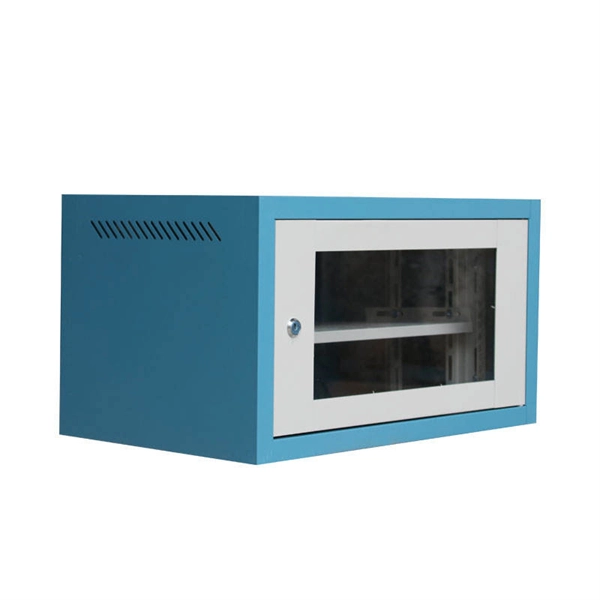
Construction site equipped with three-level power distribution box
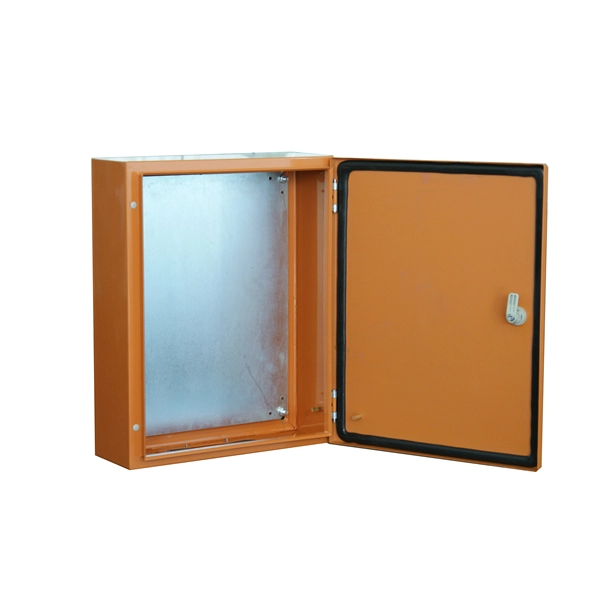
A three-level distribution system on construction sites uses main, secondary, and tertiary distribution boxes to ensure safe, reliable, and hierarchical power delivery from transformers to end-use equipment.Overview of the Three-Level SystemConstruction sites often require a structured power distribution system to manage high loads safely. The three-level distribution system consists of:Main Distribution Board (MDB): Serves as the primary hub, receiving low-voltage power (typically 0.4kV) from the transformer. It does not supply power directly to equipment but distributes electricity to secondary boards. Key components include isolating switches, circuit breakers, and Residual Current Devices (RCDs) to ensure overall circuit safety and protection against faults and leakage currents .Secondary Distribution Boards (SDB): These intermediate boards distribute three-phase power to specific buildings, floors, or zones. They handle heavier loads such as motors and large equipment. SDBs are equipped with larger capacity three-phase circuit breakers, dual-door protection, durable coatings, and rainproof designs suitable for outdoor environments. They also implement a "two-layer protection" strategy, with RCDs at both secondary and tertiary levels .Tertiary Distribution Boards (DB): These are the final distribution points, supplying 220V single-phase power to individual devices or household systems. Each device typically has its own circuit breaker and RCD, following the principle of "one device, one circuit breaker, one RCD, one box." Tertiary boards may be fixed or portable, ensuring flexibility and safety on construction sites .Key Features and Safety MeasuresVoltage Hierarchy: MDB receives 0.4kV from the transformer, SDB distributes three-phase power, and DB delivers single-phase power to end-use equipment .Protection Strategy: The system uses dual-layer protection with RCDs at both secondary and tertiary levels, preventing overloads, short circuits, and leakage hazards .Construction Site Adaptation: Distribution boxes are designed for outdoor use, with rainproof tops, durable coatings, and secure doors. The layout follows construction electricity standards, ensuring compliance and safety .Equipment Configuration: MDBs include isolating switches and main breakers; SDBs have large three-phase breakers; DBs have single-phase breakers for individual devices .Practical ApplicationThis hierarchical system ensures efficient power management, high safety, and reliability on construction sites. It allows for:Safe distribution of high loads across multiple buildings or zones.Independent protection for each device, reducing the risk of cascading failures.Compliance with construction electricity standards, including proper grounding, leakage protection, and secure installation .SummaryThe three-level distribution system—main, secondary, and tertiary boards—provides a structured, safe, and reliable method to deliver electricity from transformers to end-use equipment on construction sites. By combining hierarchical voltage distribution, dual-layer protection, and construction-specific design features, it ensures operational safety, flexibility, and compliance with electrical standards .