Wiring of the control box in the distribution box
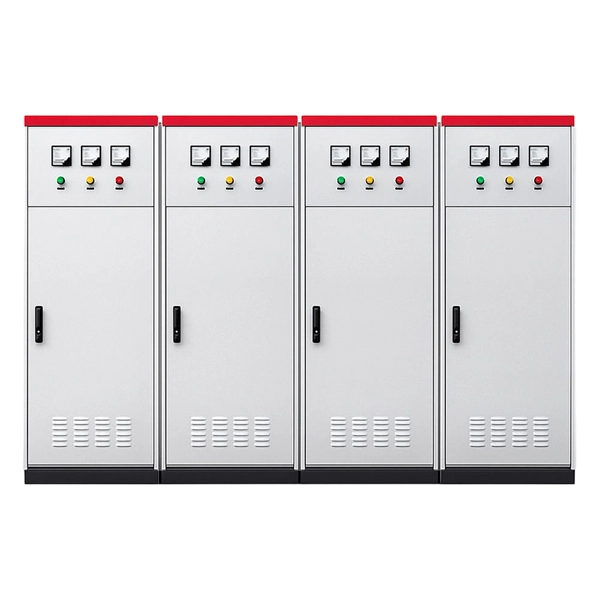
A control box inside a distribution box is wired to manage and automate electrical circuits using relays, contactors, switches, and sensors, while the distribution box handles power division and protection.Understanding the ComponentsA distribution box serves as the central hub for incoming electrical power, dividing it into multiple circuits and protecting them with devices like circuit breakers, fuses, and residual current devices (RCDs) to prevent overloads, short circuits, and earth faults . Inside the distribution box, a control box is often installed to regulate and automate the operation of connected equipment. The control box typically contains:Relays and contactors: Switch electrical loads on or off based on control signals.Push buttons and switches: Allow manual operation of machinery or circuits.Sensors and PLCs (Programmable Logic Controllers): Monitor conditions such as pressure, temperature, or voltage and execute automated sequences.Indicator lights and alarms: Signal operational status or faults.Timers and auxiliary devices: Enable delayed or sequential operations .Wiring LayoutPower Input: The control box receives power from the main distribution bus or a dedicated breaker inside the distribution box. Ensure the correct voltage rating and proper fusing.Neutral and Ground Connections: All neutral wires are connected to the neutral bus, and all ground wires are connected to the grounding bar to ensure safety and proper operation.Control Circuits: Low-voltage control wiring connects switches, relays, and PLC inputs. These wires are usually color-coded to distinguish between live, neutral, and signal lines .Load Connections: Output from relays or contactors is wired to the devices being controlled, such as motors, pumps, or lighting circuits. Each output should be clearly labeled and routed to avoid confusion.Safety Interlocks: Emergency stop (E-Stop) circuits and protective devices are wired in series with control circuits to immediately cut power in case of faults .Tracing and Documentation: Follow the wiring diagram carefully, tracing each wire from the power source through the control components to the load. Proper labeling and documentation are essential for troubleshooting and maintenance .Safety ConsiderationsAlways turn off the main power supply before working inside the distribution or control box .Use a voltage tester to confirm the absence of live voltage.Maintain clear separation between high-voltage power lines and low-voltage control wiring to prevent interference and hazards.Follow color codes and labeling standards for wires to ensure clarity and compliance with electrical codes.SummaryThe control box inside a distribution box acts as the automation and control hub, while the distribution box manages power distribution and protection. Proper wiring involves connecting power, neutral, and ground lines, integrating control circuits with relays, switches, and sensors, and ensuring safety through interlocks and correct labeling. Following wiring diagrams and safety protocols ensures efficient, reliable, and safe operation of the electrical system .