Cable Laying Solutions in Cable Trays
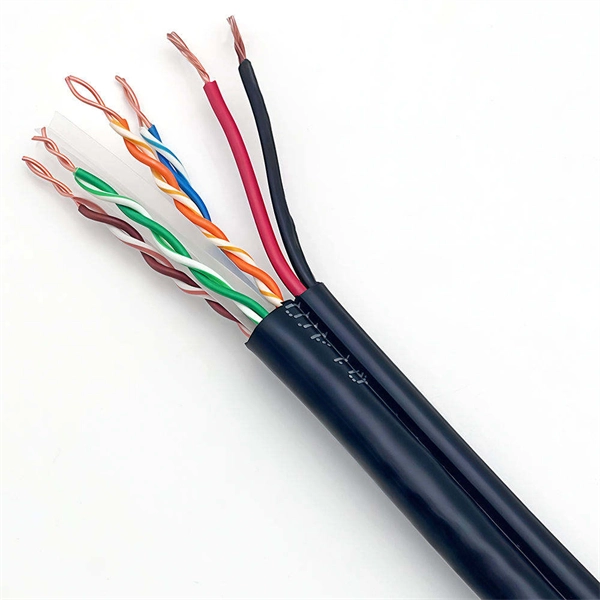
Cables should be laid neatly in trays with proper spacing, support, grounding, and adherence to standards to ensure safety, efficiency, and long-term reliability.Selection and PreparationChoose the appropriate cable tray type based on the environment and cable load: ladder trays allow airflow and easy cable entry, perforated trays support lighter loads, and solid-bottom trays protect against dust or moisture . Verify that all materials, including trays, ladders, and fittings, are approved and free from damage before installation . Store trays horizontally on flat surfaces with timber supports to prevent warping or corrosion .Tray InstallationInstall trays according to approved shop drawings, ensuring horizontal and vertical runs are clearly marked and coordinated with other services . Use proper supports and hangers, spaced typically 1.5 to 3 meters apart depending on tray type and load . For elbows and expansion joints, follow NEMA VE 2 guidelines and provide bonding jumpers to maintain electrical continuity . Align trays straight and level, using connectors and fittings carefully to avoid damage .Cable LayingLay cables in an organized manner, avoiding excessive bending or kinks . Maintain spacing and separation by voltage and function, and ensure cable fill does not exceed 40% of tray capacity . Use cable ties or straps at regular intervals to secure cables, leaving slack for expansion, movement, or future adjustments . For long runs, cable tray rollers can help prevent damage during installation .Grounding and BondingAll metal trays must be properly grounded at least every 15 meters and at both ends, with bonding jumpers installed at expansion joints . Conduit drop-outs should also be bonded to the tray using compression lugs or grounding bushings . This ensures safety and compliance with electrical standards.Documentation and InspectionLabel all cables clearly for identification and future maintenance . Conduct a thorough inspection to check for loose clamps, misalignment, overfilled sections, or unsupported spans . Ensure compliance with NEC, NEMA, and site-specific regulations . Maintain records of inspections, tests, and approvals for QA/QC purposes .MaintenancePerform routine checks to detect corrosion, loose wires, or broken clamps. Proper maintenance extends the lifespan of the cable tray system and ensures reliable operation . By following these steps, cable tray installations can achieve safe, scalable, and maintainable cable management suitable for industrial, commercial, and service environments .