Standards for Shallow Burial Depth Requirements of Optical Cables in Pipelines
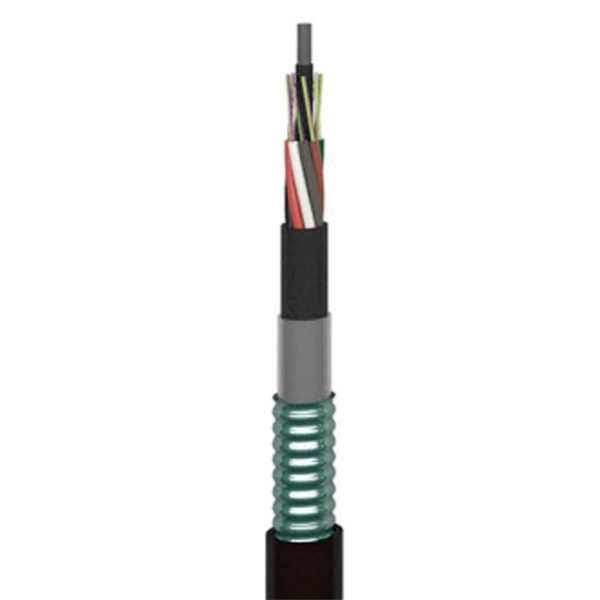
Shallow burial of optical cables in pipelines typically ranges from 0.3 to 0.9 meters, depending on cable type, soil conditions, traffic load, and protective measures, with standards guided by NEC, ETSI, and ITU-T recommendations.General Burial Depth GuidelinesFor direct-buried optical cables, the minimum depth is influenced by environmental and operational factors:Armored cables: Can be buried shallower, typically 0.6–0.9 meters, due to steel tape protection against soil pressure and minor mechanical impacts .Unarmored cables: Require 0.6–1.2 meters in ordinary soil, often with conduits or ducts for added protection .Urban areas: Depths of 0.6–0.9 meters are common to avoid pedestrian and construction equipment damage .Agricultural zones or areas with plowing: Depths increase to 1.0–1.5 meters to prevent mechanical damage .Flood-prone or frost-susceptible regions: Depths of 1.2–1.5 meters are recommended to protect against water pressure and frost heave . Shallow burial, such as 0.3–0.6 meters, is permissible when cables are placed in protective conduits or ducts, especially in urban or landscaped areas, to prevent UV degradation and minor mechanical impacts .Trench Preparation and Protective MeasuresTrench bottom: Should be flat and free of debris; a sand or fine soil bedding layer of 10–15 cm cushions the cable .Rocky or gravelly soil: Requires a mortar or sand layer to prevent cable damage from sharp edges .Warning tape: Placed 0.2 meters above the cable to indicate its presence and comply with safety standards .Separation from power lines: Maintain 0.3–0.6 meters to avoid electromagnetic interference .Standards and RecommendationsNEC (U.S.): Specifies 0.6–1.2 meters depending on soil type, traffic load, and frost line considerations .ETSI (Europe): Suggests 0.8–1.0 meters, with 0.5 meters allowed in urban ducts .ITU-T L.101: Provides technical requirements for buried optical fiber cables, including duct, direct burial, and lashed aerial applications, emphasizing performance testing and environmental suitability .Special ConsiderationsPipeline crossings: Depths of 1.2–1.5 meters with concrete encasement are recommended to withstand traffic loads .Sandy or loose soils: Allow shallower burial (0.6–0.9 meters) but may require conduits to prevent erosion or water ingress .Multi-core or high-tensile cables: May require 1.2 meters to support installation stresses .SummaryShallow burial of optical cables in pipelines is feasible when protective measures such as conduits, sand bedding, and warning tapes are used. The exact depth depends on cable type, soil conditions, traffic, frost, and water exposure, with international standards (NEC, ETSI, ITU-T) providing guidance. For direct burial without conduit, armored cables can be safely installed at 0.6–0.9 meters, while unarmored cables generally require greater depths to ensure long-term protection and operational reliability.