Methods for rerouting cable trays
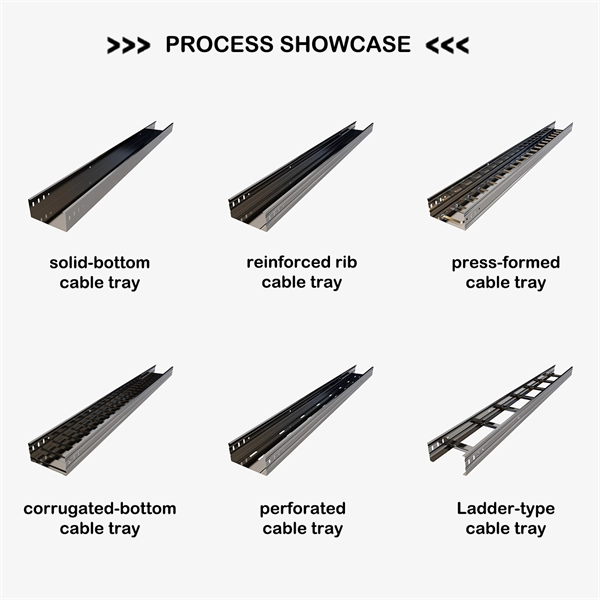
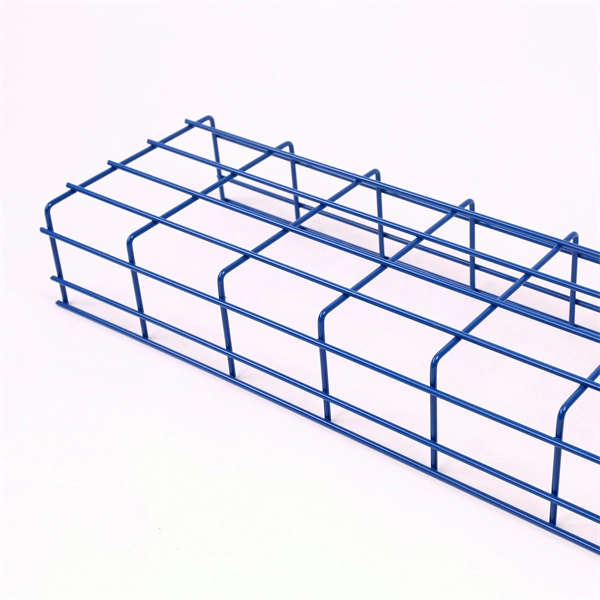
Rerouting cable trays involves careful planning, proper hardware selection, and adherence to safety and performance standards to ensure efficient, organized, and protected cable pathways.Planning the RerouteBefore physically moving or rerouting cable trays, plan the new pathway thoroughly. Sketch the layout considering ceiling, wall, or floor constraints, and account for future expansion and additional cable loads. Oversized trays or modular ladder racks can simplify future adjustments and prevent overcrowding, which can reduce airflow and increase heat buildup in cables . Ensure separation of power and data lines to minimize electromagnetic interference (EMI) and comply with local codes and ANSI/TIA-942 standards .Hardware and Tray AdjustmentsCable trays can be rerouted using modular components such as splices, mounting brackets, and bend fittings. Wire basket or mesh trays are particularly flexible, allowing for elevation changes and custom configurations with minimal additional hardware . Bolted splices and expansion bars can connect tray sections securely while maintaining structural integrity. For vertical or overhead reroutes, ladder racks or wall-mounted brackets provide strong support for heavy cable bundles .Cable Handling During ReroutingWhen rerouting, maintain proper cable organization to prevent damage. Cables should be laid in an orderly manner, avoiding excessive bending and ensuring spacing follows design standards. Cable fill should not exceed 40% of tray capacity to allow airflow and reduce overheating . Use cable ties, Velcro straps, or integrated sidewalls to secure bundles, and clearly label cables for easier maintenance and troubleshooting .Automated and Software-Assisted MethodsFor large-scale or complex installations, software tools can assist in rerouting. Python-based analytical tools or CAD software like AutoCAD Electrical and SmartPlant Electrical can model existing tray networks, optimize new routes, and generate documentation for review . These tools improve accuracy, reduce manual errors, and help visualize three-dimensional reroutes, though engineering oversight is still required to adapt to site-specific conditions.Safety and ComplianceAlways follow safety standards during rerouting. Ensure trays are properly grounded, avoid overloading, and maintain clearances for airflow and maintenance access. When passing through fire-rated walls or floors, use appropriate firestopping methods to prevent fire spread . Regular inspection after rerouting ensures long-term reliability and compliance with technical standards. By combining careful planning, modular hardware, proper cable handling, and optional software assistance, cable tray rerouting can be executed efficiently, safely, and with minimal disruption to existing systems .