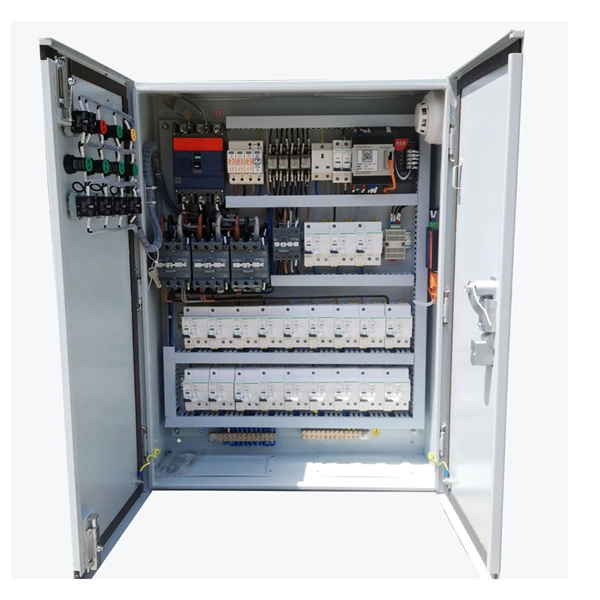
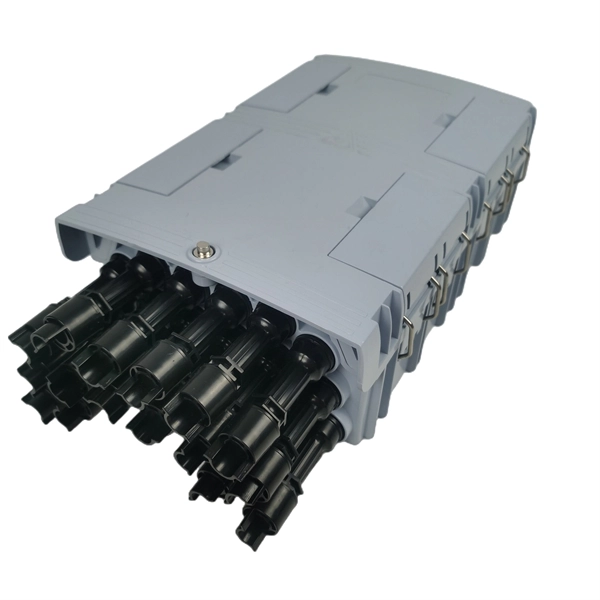
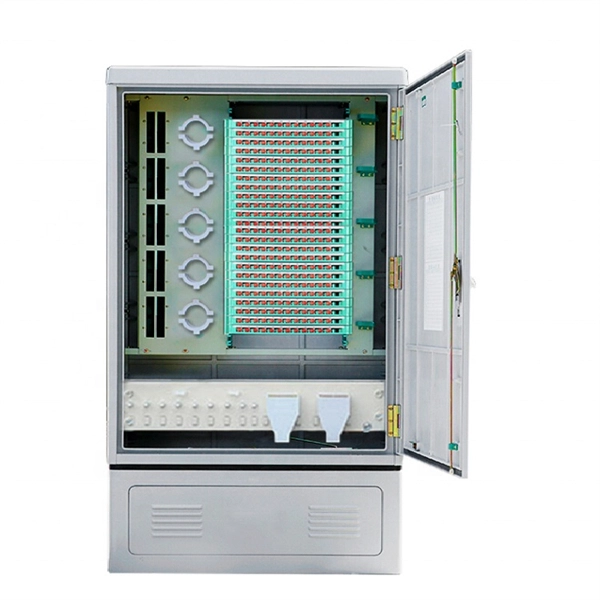
There are mandatory national standards for electrical distribution boxes
Electrical distribution boxes must comply with international and local standards such as NEC, IEC 61439, and BS 7671 to ensure safety, proper load handling, and reliable operation.Key Standards and CodesNEC (National Electrical Code): Provides minimum safety requirements for electrical installations in the U.S., including proper labeling, short-circuit protection, grounding, and safe working clearances .IEC 61439: International standard for low-voltage switchgear and controlgear assemblies, specifying design, short-circuit withstand strength, and testing requirements .BS 7671: British Standard aligned with IEC 61439, covering installation practices, accessibility, and protection measures for distribution boards in residential and industrial settings .Design and Installation RequirementsEnclosure and Protection: Choose enclosures with appropriate IP or NEMA ratings to protect against dust, water, and mechanical damage. Steel is preferred for industrial environments, while plastic is suitable for indoor residential use .Mounting and Accessibility: Distribution boxes should be installed in dry, accessible areas with good ventilation. Recommended heights are 1–1.8 meters for residential units, with adjustments for elderly or handicapped users . Industrial boards may require specific mounting dimensions and IP54 protection .Electrical Components: Include circuit breakers, fuses, busbars, neutral and grounding links, RCCBs, and isolators. Components should be UL/CE-certified and rated for the expected voltage and current .Short-Circuit and Overload Protection: Use circuit breakers and fuses to prevent equipment damage and fire hazards. Ensure the box meets short-circuit withstand ratings as per IEC 61439 .Wiring and Labeling: Maintain neat cable management, proper insulation, and correct wire gauge. Label all circuits clearly to indicate hazards and operating procedures .Safety and MaintenanceGrounding and Earthing: Proper grounding protects personnel and equipment from electrical faults .Arc Flash and PPE: Conduct arc flash hazard analysis to determine required personal protective equipment during maintenance .Inspection and Testing: Perform visual checks and multimeter tests before powering on. Schedule regular inspections to ensure long-term reliability .Modular Design: Consider modular boxes for easier future upgrades and maintenance .SummaryCompliance with NEC, IEC, and BS 7671 standards ensures that electrical distribution boxes are safe, reliable, and maintainable. Proper selection of enclosure, components, protection devices, and installation practices is critical to prevent electrical hazards, equipment damage, and operational failures .