Requirements for Fiber Optic Cable Laying in Communication Equipment Rooms
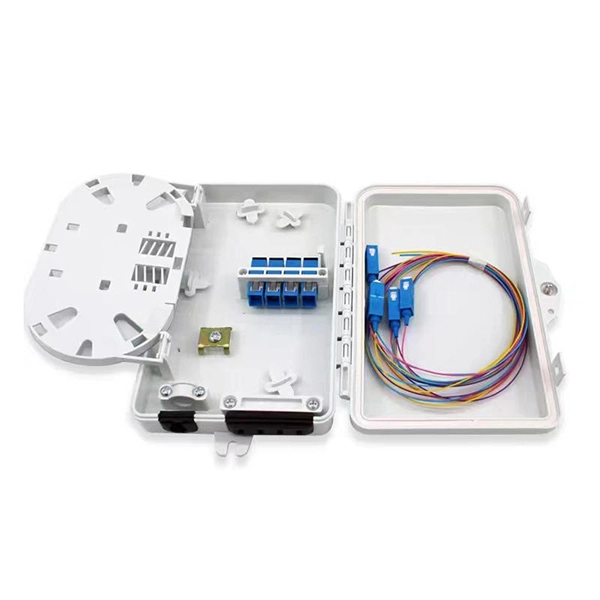
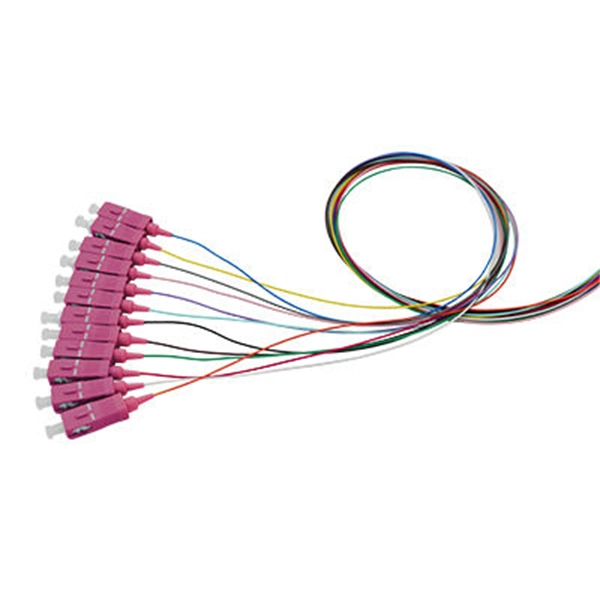
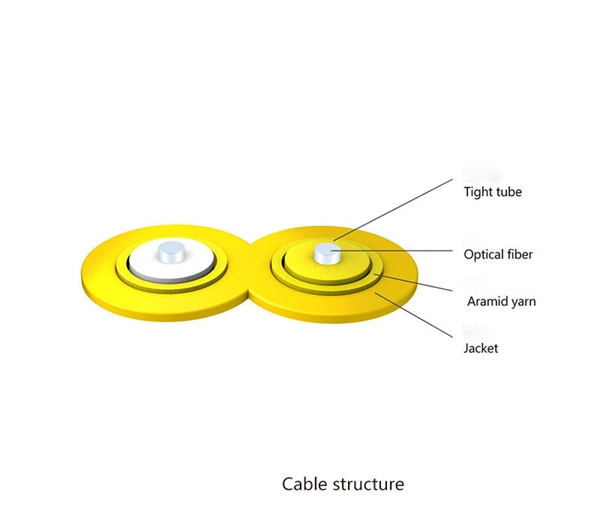
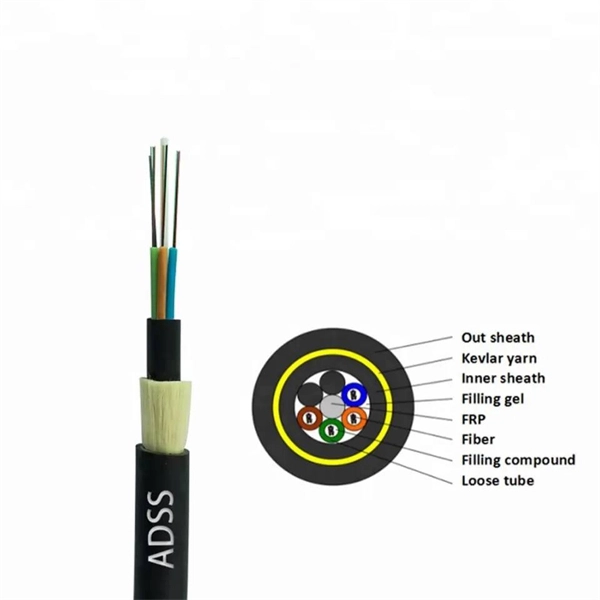
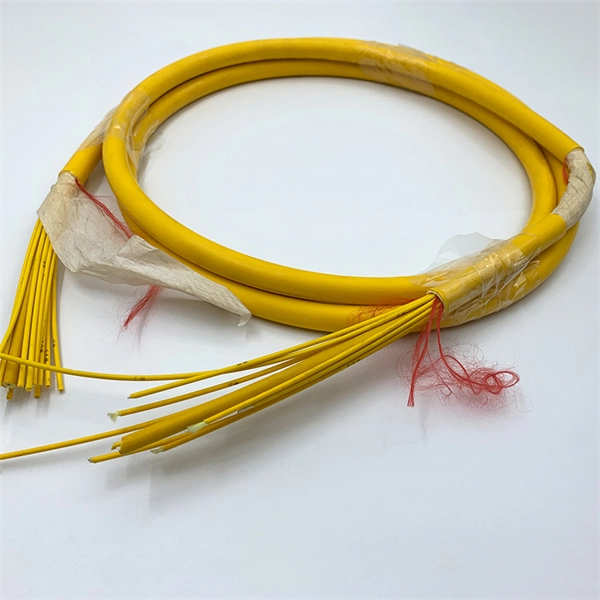
Fiber optic cable installation in communication equipment rooms requires careful planning, adherence to standards, proper cable handling, labeling, and pathway design to ensure performance, safety, and maintainability.Planning and DesignBefore installation, a fiber optic cable design plan should be developed that considers the layout of the equipment room, future scalability, and the type of network being deployed . Paths for backbone and horizontal cabling must be clearly defined, and a loss budget calculated to ensure the fiber link meets performance requirements . Premises cabling standards, such as TIA-568, provide guidance on maximum cable lengths, typically 90 meters for permanent links with an additional 10 meters for patch cords .Cable Types and RatingsFiber optic cables should be selected based on the application: singlemode for long-distance or high-speed links, and multimode for shorter distances within the building . Indoor cables must comply with flammability and electrical codes, with non-conductive or conductive designs depending on the environment . Armored cables may be used under raised floors to protect against crushing .Installation PracticesPathways and Supports: Use cable trays, conduits, or inner ducts to protect fibers. Vertical runs should preferably be dropped rather than pulled upward, and fiber should not be mixed with heavy copper cables to avoid stress .Handling: Never pull on the fibers directly; always use the outer jacket or strength members. Maintain the minimum bend radius and do not exceed the maximum pulling tension . Use breakaway pulling eyes, automated pullers, or pulling tape to prevent twisting or damage .Service Loops: Provide adequate slack for maintenance and future re-termination .Labeling and IdentificationAll fiber optic cables must be clearly labeled at both ends, with color-coded jackets and fiber strands identified according to industry standards . Documentation should indicate termination points and cable types to facilitate maintenance and troubleshooting .Safety and CleanlinessTechnicians should follow safety protocols, including eye protection and proper disposal of fiber scraps . Work areas should be kept clean to prevent contamination of connectors and fibers .Testing and VerificationAfter installation, perform fiber optic testing to verify continuity, loss, and connector performance. Proper testing ensures the network meets design specifications and avoids future downtime .SummarySuccessful fiber optic installation in communication equipment rooms requires careful planning, adherence to standards, proper cable handling, labeling, and testing. Following FOA and TIA guidelines ensures reliable, maintainable, and safe fiber networks that support current and future communication needs .